CRM & Marketing
SMS Marketing for Service Businesses: What Actually Gets Replies
Intelligent Analytics builds SPARK, a CRM and marketing automation platform for small service businesses and nonprofits based in Urbandale, Iowa.…
Read →

 SPARK | CRM & Marketing··5 min read·29 views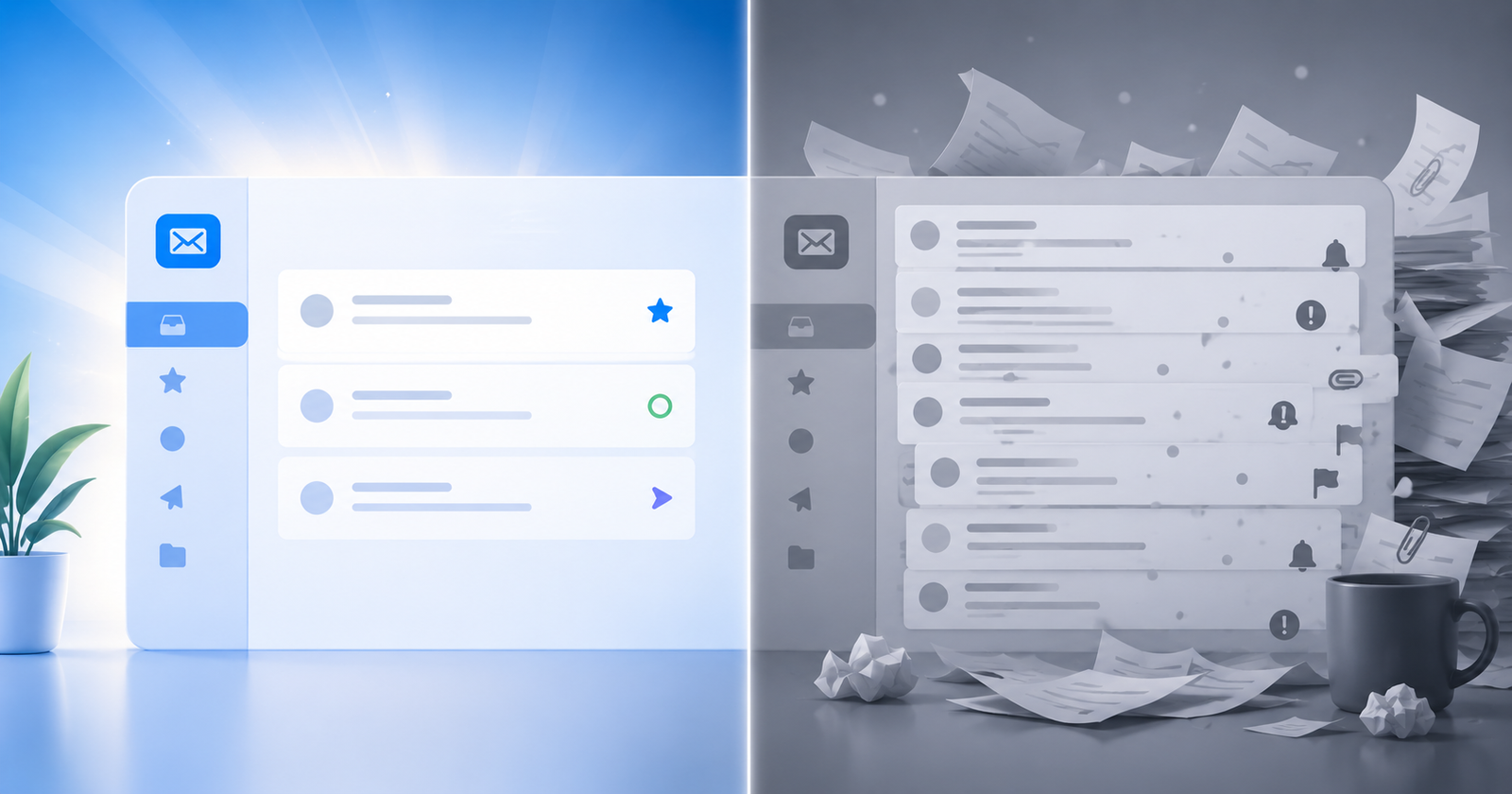
The number everyone watches is subscribers. How many people are on the list. Whether it went up or down this month. But subscriber count is one of the least useful numbers in email marketing — and for service businesses especially, chasing it leads directly to a broken sending setup.
List hygiene is the thing that actually determines whether your emails reach anyone. Here’s why it matters and what to do about it.
The deliverability problem most owners don’t see coming
Every email you send is being evaluated. Gmail, Outlook, and Yahoo track how recipients interact with your messages — whether they open, whether they click, whether they delete without reading, whether they hit spam. That signal accumulates into something called your sender reputation. When your reputation is strong, emails land in the inbox. When it starts to decay, they drift into the promotions tab. When it gets bad enough, they go to spam — or don’t arrive at all.
The problem is that sender reputation decays silently. You keep sending, your open rates look okay, and then one month the numbers fall off a cliff. By then, you’re not dealing with a bad campaign — you’re dealing with a reputation problem that takes months to fix.
The source of most reputation decay is a list full of people who aren’t engaging. Old addresses. People who signed up once and never opened again. Contacts from years-old lead lists. Every send to those addresses chips away at your reputation, and the damage compounds over time.
What list hygiene actually means
List hygiene is the practice of actively managing your contact database to remove or suppress addresses that damage your sender reputation. That means a few specific things in practice:
Hard bounces come off immediately. When an email address doesn’t exist, the delivery attempt fails with a hard bounce. Any serious email platform handles this automatically, but you should confirm your platform is actually suppressing those addresses and not retrying them.
Consistent non-openers get flagged and eventually suppressed. An address that hasn’t opened an email in six months or more is a liability. They’re either not interested, or the address has gone dormant. Either way, sending to them is scoring against you. The standard practice is to run a re-engagement sequence — one or two emails with a direct “do you still want to hear from us?” ask — and remove anyone who doesn’t respond.
Spam complaints are the most urgent signal. A complaint rate above 0.3% is enough to damage deliverability with Yahoo. Gmail’s threshold is similarly tight. Even a small number of spam complaints from a small list can move the needle fast. If your complaint rate is climbing, the list is the first place to look.
Spam traps are a less visible risk but a real one. These are email addresses maintained by inbox providers specifically to catch senders with poor list hygiene. They look like real addresses. If you’re mailing old purchased lists or haven’t cleaned your list in years, you’re probably hitting some of them.
Why a smaller list usually performs better
This is the counterintuitive part. A list of 500 engaged contacts consistently outperforms a list of 5,000 with low engagement — not just in open rates, but in actual deliverability. Inbox providers see the engagement ratio. When you send to 5,000 people and 200 open it, that’s a 4% open rate and a signal that most recipients don’t find you worth reading. When you send to 500 and 200 open, that’s 40% — a signal that your sends are valued.
That deliverability lift carries into every future send. High-engagement senders reach the inbox reliably. Low-engagement senders fight to stay out of spam.
For a service business, this math is especially direct. You’re not building a media company with 100,000 subscribers. You’re trying to stay in front of a few hundred to a few thousand people who might hire you or refer you. Those people need to actually receive the email.
Building clean from the start
The easiest list to maintain is one that never got dirty. A few upstream decisions make the ongoing maintenance much lighter:
Double opt-in is the most effective filter. When someone signs up, they get a confirmation email they have to click before they’re added to the active list. This eliminates typos, bot submissions, and anyone who didn’t really mean to subscribe. Your list ends up smaller, but every address on it has confirmed intent.
Source tracking tells you where contacts came from. When you know that your trade show list converts at 8% and your general web form list converts at 1%, you can make smarter decisions about which sources to invest in and which segments to treat differently.
Automating re-engagement saves the ongoing work. A well-configured marketing system can flag contacts who haven’t engaged in 90 days, run a re-engagement sequence, and move non-responders to a suppressed list — without anyone having to manage it manually.
The SPARK connection
SPARK handles contact management and email campaigns as a connected system — which means suppression logic, engagement tracking, and re-engagement automation are built into the same workflow that manages your lead follow-up and client communications. You’re not maintaining a separate email platform and a separate CRM and hoping they sync. The contact record that shows someone hasn’t opened in four months is the same record that shows they’re a past client who last booked two years ago. That context changes how you handle the re-engagement, and SPARK keeps it in one place.
A clean, engaged list isn’t a vanity metric. It’s the infrastructure that determines whether email marketing works for your business at all.
FAQ
Q: How often should I clean my email list?
A: For most service businesses sending monthly or bi-monthly, a quarterly review is a reasonable cadence. If you’re sending weekly, monthly is better. The trigger is always the same: watch your open rate, bounce rate, and complaint rate. When any of them start moving in the wrong direction, the list is the first place to investigate.
Q: Is it safe to remove contacts who haven’t opened in six months?
A: Yes — with one caveat. Run a re-engagement sequence first. One or two emails that directly ask if the person wants to stay on your list. This catches anyone who was interested but not opening for technical reasons (like emails going to a folder). Anyone who doesn’t respond to the re-engagement is safe to suppress. You’re not deleting their contact record — just stopping active sends to them.
Q: We bought a list a few years ago. What should we do with it?
A: Stop sending to it until you’ve run it through an email verification service. Purchased lists accumulate hard bounces, spam traps, and uninterested contacts at a high rate. Even a list that looked clean when you bought it has probably degraded. Sending a large campaign to an unverified purchased list is one of the fastest ways to damage your sender reputation significantly.
Explore SPARK at Intelligent Analytics → [/platforms/spark/]

Intelligent Analytics builds SPARK, a CRM and marketing automation platform for small service businesses and nonprofits based in Urbandale, Iowa.…
Read →Only 5% of leads are sales-ready when generated. The other 95% need a nurture system — not a single follow-up…
Read →